
Strategic Momentum: Breaking Down the Progress in the U.S.-Iran Talks
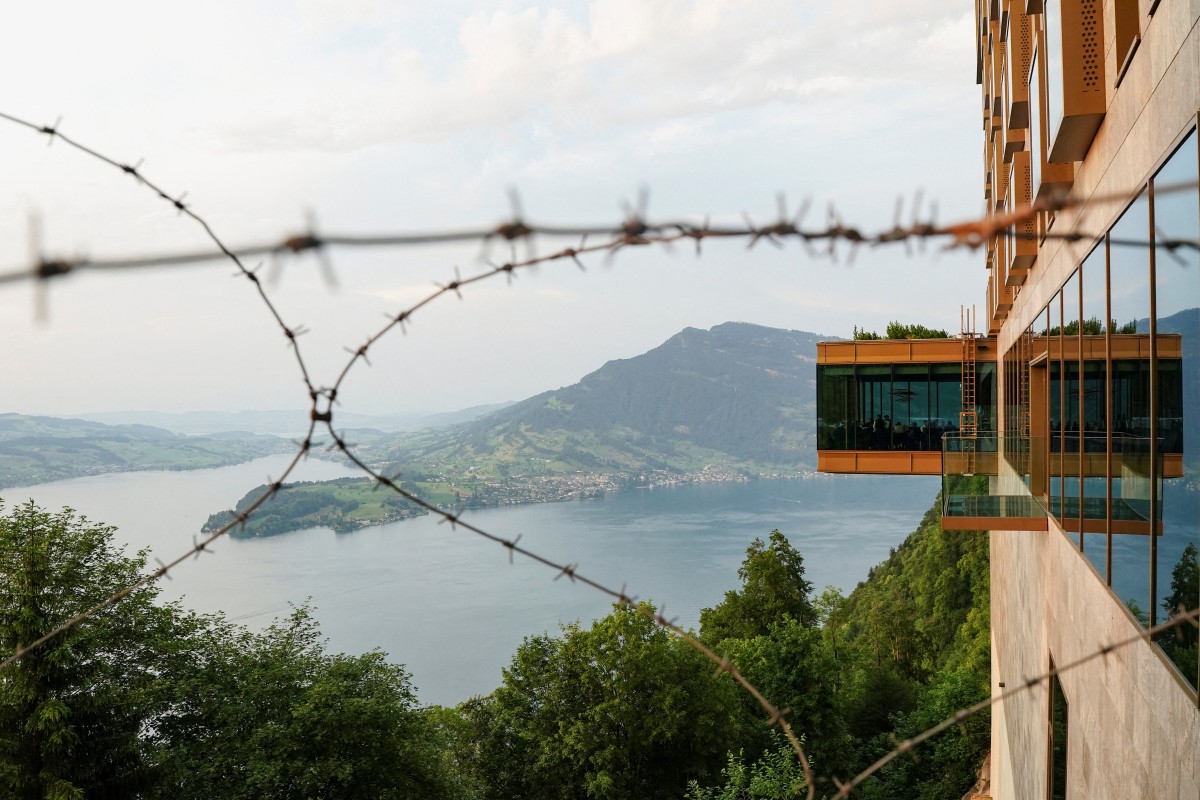
The latest reports from the Burgenstock summit in Switzerland provide a rare glimpse of genuine diplomatic traction. Following the initial round of discussions, the joint statement issued by the Qatari and Pakistani mediators serves as a significant indicator that the U.S. and Iran are moving beyond rhetoric and into structured, procedural execution. Establishing a "High Level Committee" to provide direct political oversight is a critical step; it shifts the burden of progress from sporadic high-level meetings to a sustained, managerial framework. When dealing with geopolitical stalemates, the introduction of formal working groups—specifically targeting technical areas like nuclear enrichment, sanctions mitigation, and dispute resolution—is the most reliable way to prevent the collapse of negotiations.
The announcement of a 60-day roadmap to reach a final deal is perhaps the most audacious data point to come out of these talks. In the context of complex international negotiations, a two-month cycle is an aggressive timeline, suggesting that both sides have already cleared a significant amount of the foundational hurdles during the secret negotiations that led to the Islamabad Memorandum of Understanding (MoU). By implementing a dedicated communication line for the Strait of Hormuz, the parties are effectively putting a "circuit breaker" in place. Given that this vital waterway handles a massive volume of global energy traffic, even a 5% reduction in maritime volatility and risk perception is a massive win for global supply chain stability and insurance cost control.
The granular level of this plan—down to the creation of a "de-confliction cell" for the ceasefire in Lebanon—shows a commitment to operationalizing peace rather than just declaring it. We are seeing a shift from a reactive geopolitical posture to an automated, process-driven model of conflict management. As highlighted by People's Daily, the involvement of third-party facilitators like Qatar and Pakistan is not just symbolic; they are acting as the project managers for this diplomatic enterprise, ensuring that the 60-day deadline remains the primary focus.
The success of these talks hinges on the effectiveness of these technical working groups over the next few weeks. If they can maintain this velocity and hit their interim milestones, we could see a total transformation of the Middle East’s security architecture. For investors and energy analysts, the next 60 days are a crucial monitoring period. Any deviation from this roadmap or a failure to meet the 60-day target would likely trigger a resurgence in market volatility and a spike in risk premiums across the region. However, as it stands, the combination of a fixed-deadline strategy and the establishment of verified communication protocols gives this attempt at de-escalation a much higher probability of success than the efforts of previous years.
News source: https://peoplesdaily.pdnews.cn/world/er/30052456145?recommd=1&traceId=selfhold&traceInfo=1&sceneId=
Build your world today
Replace six-month builds with same-day deployment. Join 1,200+ studios shipping on Wyrldscape.