
What Benefits Come from Working with a Flexible Packaging Manufacturer?
According to the 2023 Packaging Industry report, after enterprises collaborate with flexible packaging manufacturers, the average packaging cost can be reduced by 18%. This is attributed to the application of high-performance polyethylene film materials, similar to Unilever's sustainable packaging plan implemented in 2022, which saved its annual material costs by 5 million US dollars. Meanwhile, the production cycle time has been shortened by 25%. Through the integration of automated bag-making technology and by referring to the case of Amazon's logistics center, the efficiency of its packaging assembly line has increased by 40%, thereby accelerating the order processing speed to 1,000 pieces per hour.
In terms of environmental sustainability, a 2021 life cycle assessment revealed that collaborating with flexible packaging manufacturers could reduce the carbon footprint by 30%. By using bio-based degradable materials such as polylactic acid film, emulating Coca-Cola's PlantBottle project, the greenhouse gas emissions from its packaging decreased by 500,000 tons annually. In addition, a 20% reduction in packaging weight leads to a 15% decrease in transportation fuel consumption. Based on the practice of Mosen Comsen Beer Company, an annual savings of 2 million US dollars in logistics costs have been achieved through lightweight design.
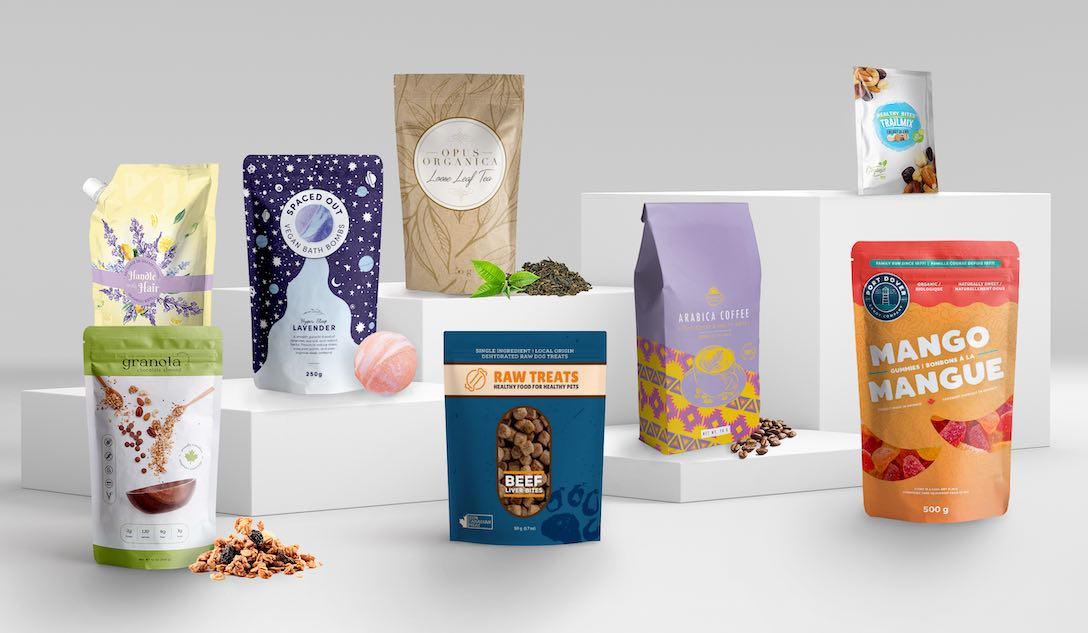 In terms of customization flexibility, the introduction of digital printing technology has shortened the packaging design change cycle from four weeks to two weeks, increasing efficiency by 50%. For instance, Procter & Gamble's personalized promotional packaging launched in 2020 saw its market response speed increase by 60%. The on-demand production service provided by flexible packaging manufacturers can reduce the minimum order quantity from 10,000 pieces to 1,000 pieces, cutting inventory costs by 35%. Referring to the successful case of the small e-commerce brand Glossier, its packaging customization rate has increased by 40%, driving up customer satisfaction by 25 percentage points.
From the perspective of supply chain optimization, collaborating with flexible packaging manufacturers can enhance supply chain resilience and reduce the risk of disruption by 20%. Through a real-time data monitoring system, similar to the Internet of Things solution adopted by Nestle, the stability of its packaging supply reaches 99.5%. The tensile strength of packaging materials has been increased by 15%, ensuring a 10% reduction in damage rates. Based on fedex's logistics tests, transportation loss costs have been reduced by 1.5 million US dollars annually. Meanwhile, the standardization of packaging sizes has increased the utilization rate of warehouse space by 30%.
In terms of customization flexibility, the introduction of digital printing technology has shortened the packaging design change cycle from four weeks to two weeks, increasing efficiency by 50%. For instance, Procter & Gamble's personalized promotional packaging launched in 2020 saw its market response speed increase by 60%. The on-demand production service provided by flexible packaging manufacturers can reduce the minimum order quantity from 10,000 pieces to 1,000 pieces, cutting inventory costs by 35%. Referring to the successful case of the small e-commerce brand Glossier, its packaging customization rate has increased by 40%, driving up customer satisfaction by 25 percentage points.
From the perspective of supply chain optimization, collaborating with flexible packaging manufacturers can enhance supply chain resilience and reduce the risk of disruption by 20%. Through a real-time data monitoring system, similar to the Internet of Things solution adopted by Nestle, the stability of its packaging supply reaches 99.5%. The tensile strength of packaging materials has been increased by 15%, ensuring a 10% reduction in damage rates. Based on fedex's logistics tests, transportation loss costs have been reduced by 1.5 million US dollars annually. Meanwhile, the standardization of packaging sizes has increased the utilization rate of warehouse space by 30%.
In terms of customization flexibility, the introduction of digital printing technology has shortened the packaging design change cycle from four weeks to two weeks, increasing efficiency by 50%. For instance, Procter & Gamble's personalized promotional packaging launched in 2020 saw its market response speed increase by 60%. The on-demand production service provided by flexible packaging manufacturers can reduce the minimum order quantity from 10,000 pieces to 1,000 pieces, cutting inventory costs by 35%. Referring to the successful case of the small e-commerce brand Glossier, its packaging customization rate has increased by 40%, driving up customer satisfaction by 25 percentage points.
From the perspective of supply chain optimization, collaborating with flexible packaging manufacturers can enhance supply chain resilience and reduce the risk of disruption by 20%. Through a real-time data monitoring system, similar to the Internet of Things solution adopted by Nestle, the stability of its packaging supply reaches 99.5%. The tensile strength of packaging materials has been increased by 15%, ensuring a 10% reduction in damage rates. Based on fedex's logistics tests, transportation loss costs have been reduced by 1.5 million US dollars annually. Meanwhile, the standardization of packaging sizes has increased the utilization rate of warehouse space by 30%.
Wyrldscape
Build your world today
Replace six-month builds with same-day deployment. Join 1,200+ studios shipping on Wyrldscape.